Three Industrial Job Paths That Look Similar but Lead to Very Different Work
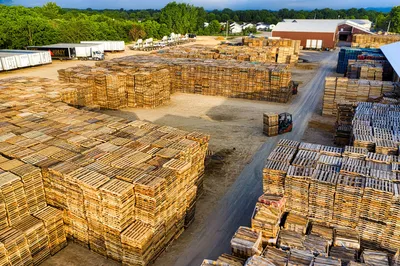
Temporary staffing, direct hire, and apprenticeship all fill industrial jobs—but they shape training, pay growth, and site authorization very differently.
Practical guidance for Northern Minnesota manufacturers, heavy-industry employers, skilled-trades professionals, and industrial job seekers.
Temporary staffing, direct hire, and apprenticeship all fill industrial jobs—but they shape training, pay growth, and site authorization very differently.
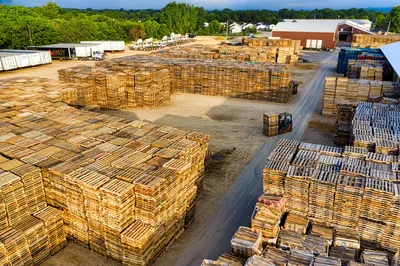
Industrial hiring works best when employers separate experience, training, and site authorization instead of treating them as the same thing.
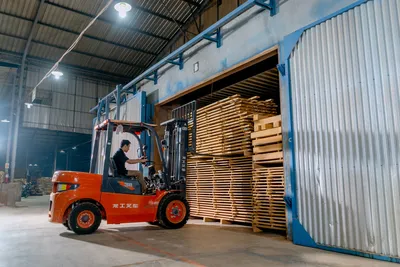
Industrial jobs turn on site-specific authorization, not titles alone. Employers and applicants both need to know what training, equipment, and shift conditions actually apply.
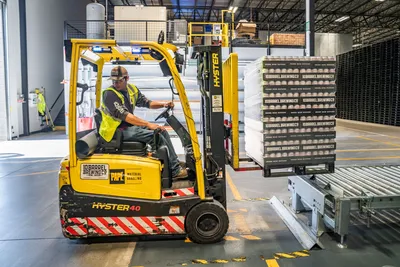
Industrial workers should judge pay, shift, training, authorization, and advancement together—not just the hourly rate.

Industrial openings are not all the same. Learn how to tell a coverage seat, a training role, and a production seat before you post or accept the job.
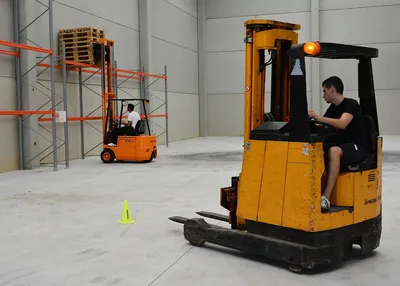
Industrial jobs hinge on two separate questions: can someone do the task, and are they site-cleared to do it? That difference shapes pay, safety, and hiring.

Standard work is not paperwork fluff. It defines safety, quality, authorization, and training across manufacturing, warehousing, and maintenance jobs.
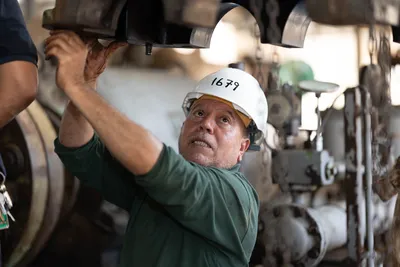
Industrial titles often blur setup, operation, troubleshooting, and maintenance. Clear job boundaries help employers hire better and help workers judge fit before day one.
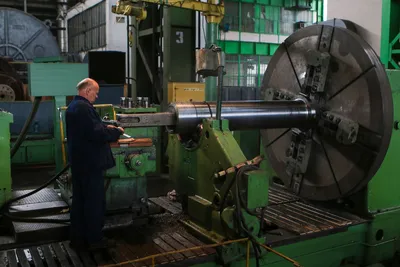
Industrial maintenance is really several jobs—operation support, troubleshooting, and servicing. Here’s how employers and job seekers can tell the difference.
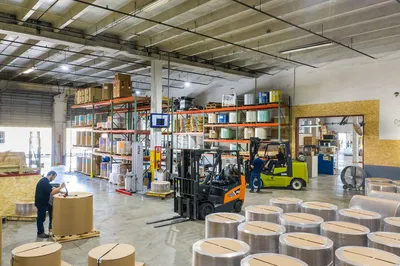
Industrial experience travels, but site-specific authorization still decides day-one readiness. Here’s how employers and workers should separate the two.
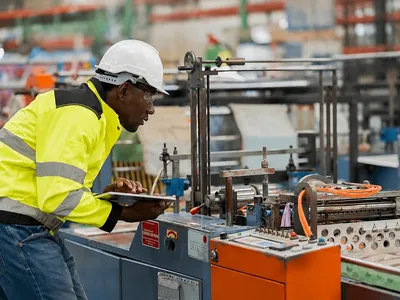
Industrial hiring gets clearer when employers and job seekers start with the production environment—job shop, line, or process plant—before they match a title.

Industrial hiring works best when employers separate experience, site training, and equipment authorization instead of treating one resume as proof of all three.